
AFGHANISTAN
Afghanistan. Quite extraordinary.
Of all the countries I've travelled through, Afghanistan surprised me the most.
I went because I was curious. I'd spent time exploring Central Asia and wanted to understand more about this country at the crossroads of so much history.
What I found was extraordinary.
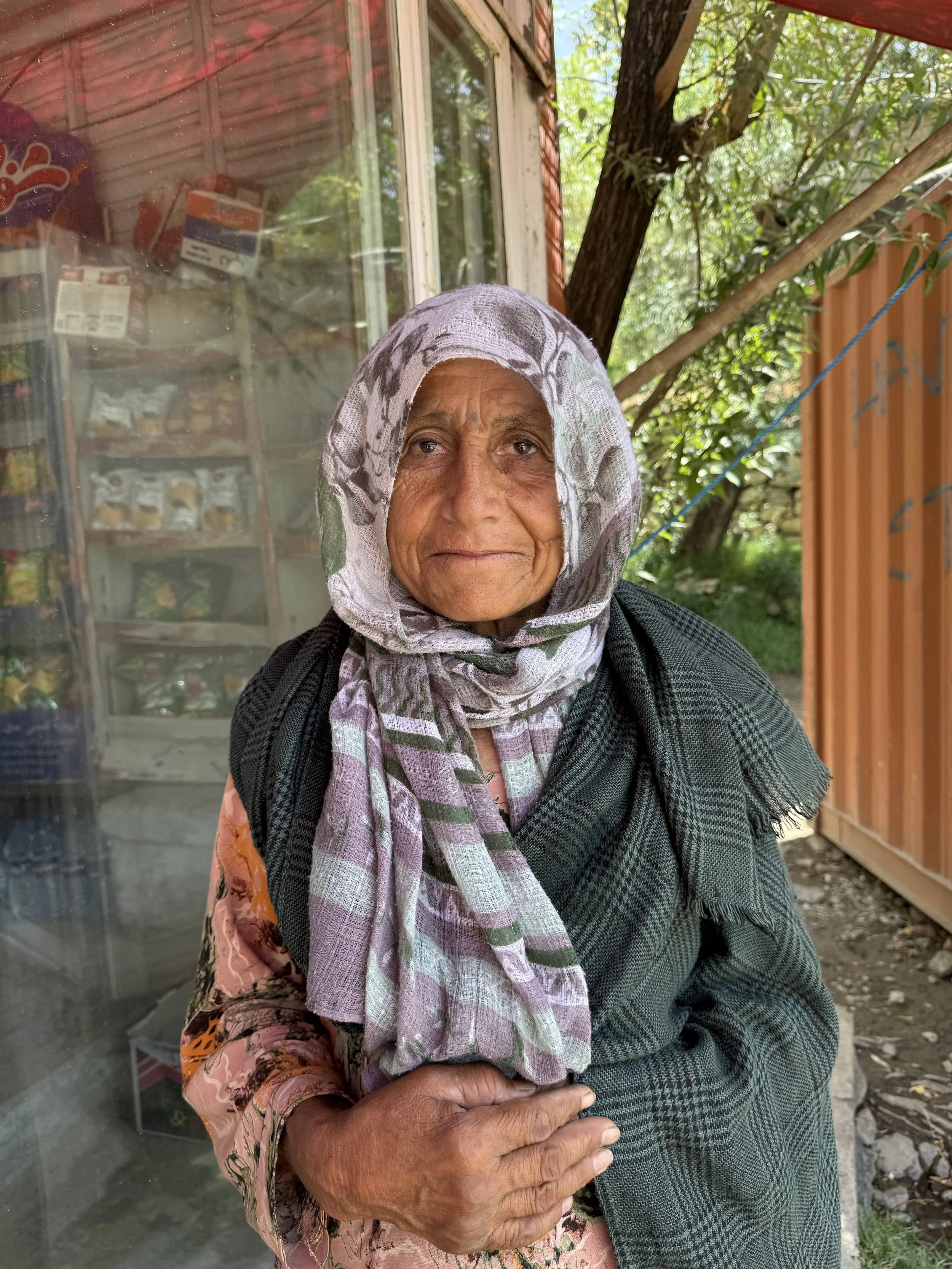
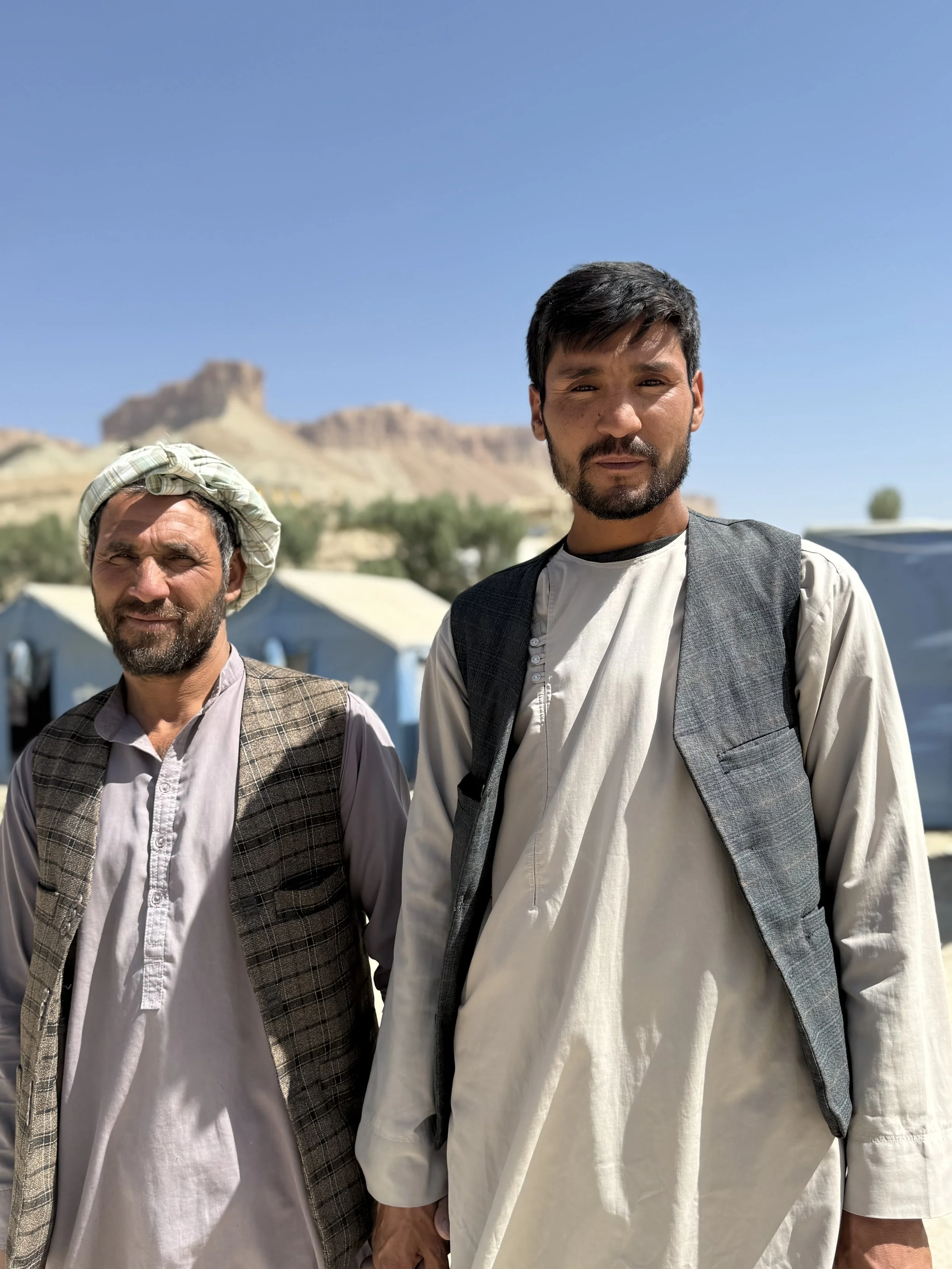
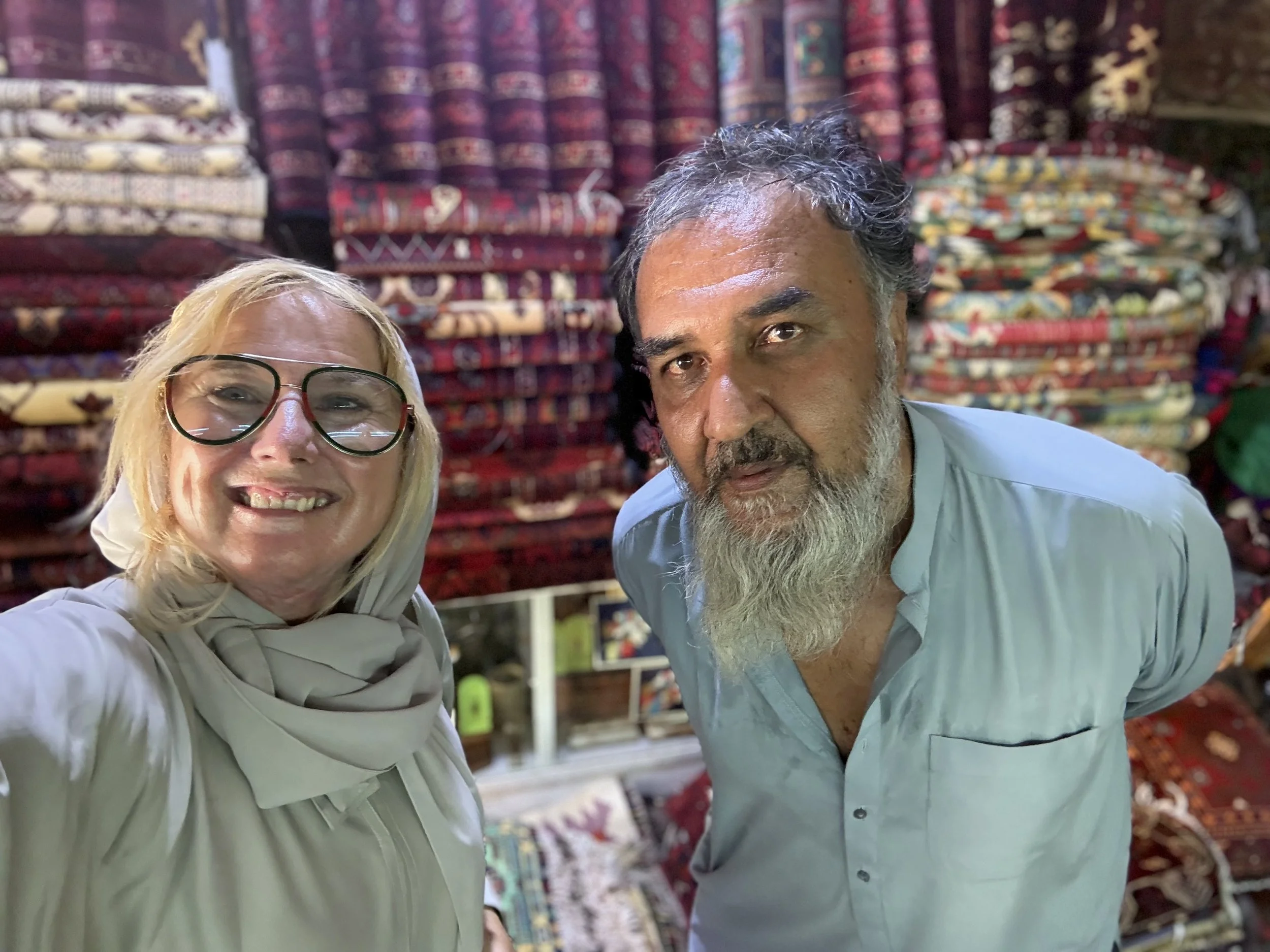
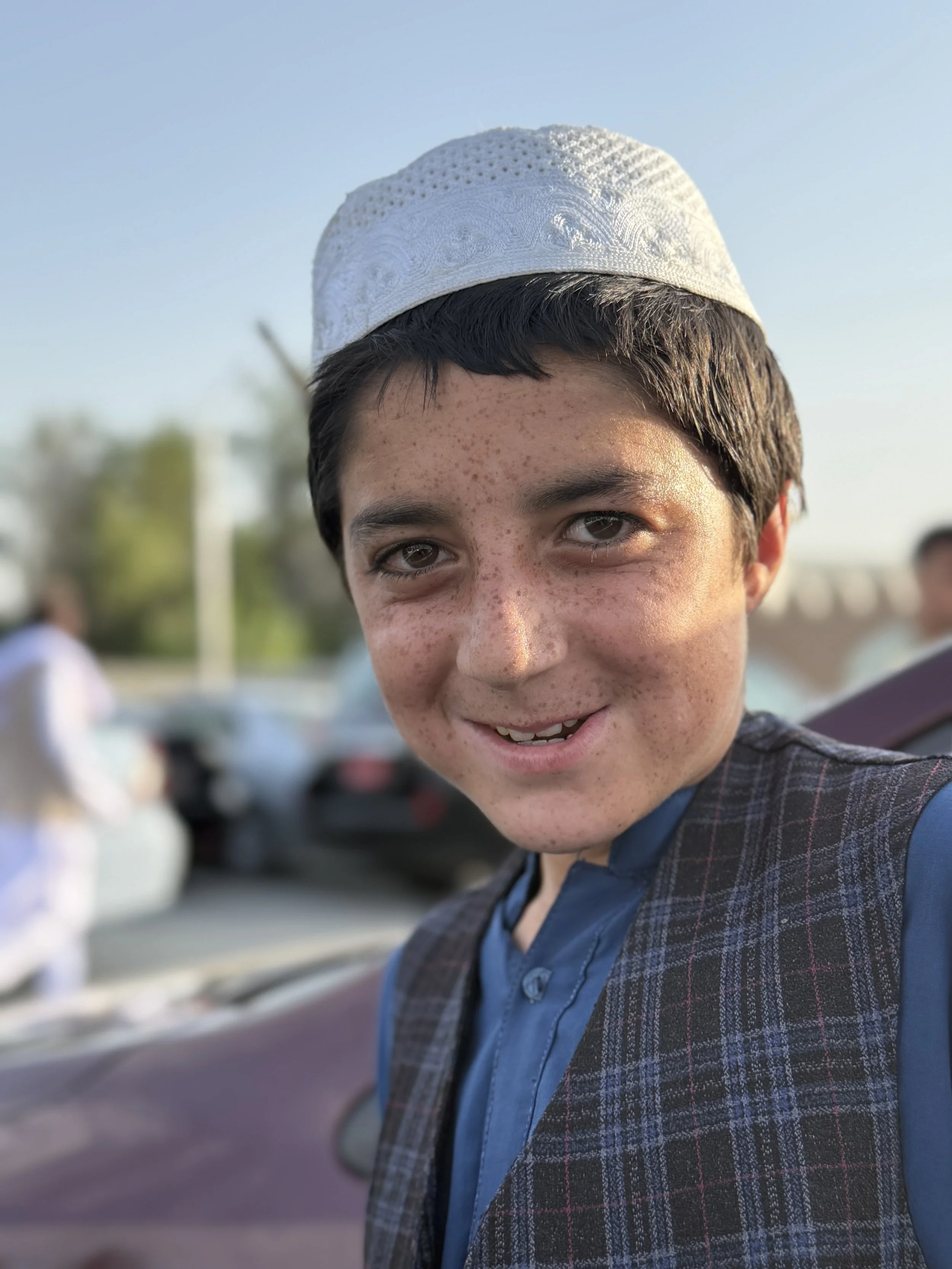
The landscapes were spectacular, the history fascinating, but it was the people who made the greatest impression. I met people who were funny, curious, generous with their time and genuinely pleased to have a visitor. I was invited into homes, shared food and had conversations I still think about.
During my journey, I didn't personally feel unsafe. But that's an account of my experience, not an indication that Afghanistan is safe to visit. The security risks are serious, and New Zealand advises against all travel.
I wouldn't want those realities to be the only story I tell about a country I found so remarkable.
CURRENT TRAVEL ADVICE
New Zealand SafeTravel advises Do Not Travel to Afghanistan (Level 4 of 4).
Afghanistan presents serious security risks, and appropriate travel insurance may be unavailable. My experience described on this page is a personal account, not a recommendation that it is safe to travel.
WHY I WENT
Curiosity got the better of me.
I'd been travelling across Central Asia, following old trading routes, visiting Silk Road cities and learning how connected this part of the world once was.
Afghanistan kept appearing in that story.
Bamiyan particularly interested me. Its Buddhist history, the great empty niches where the Buddhas once stood, and New Zealand's involvement in the province were all things I wanted to understand better.
I also wanted to see everyday life for myself.
What I hadn't anticipated was just how much I would enjoy being there.
There were busy markets, extraordinary mountain roads, ancient buildings and fascinating conversations. People asked where I was from, why I'd come and what I thought of their country. More than once, an encounter became an invitation to sit down, have tea or share a meal.
None of this changes Afghanistan's very real difficulties. Poverty is widespread, restrictions on women are profound, and the political and security situation is complex.
But the Afghanistan I experienced was also full of warmth, hospitality and humanity.
It's a country that has stayed with me.
HOW I TRAVELLED
With people who know the country.
I travelled with Destination Afghanistan Tours, an Afghan operator with extensive local knowledge.
It made an enormous difference.
I could concentrate on discovering the country, meeting people and understanding what I was seeing, while travelling with people who knew the roads, the practicalities and how things worked on the ground.
Afghanistan isn't somewhere I would try to organise independently or simply hand someone an itinerary prepared remotely from New Zealand.
How Travel Further can help
If Afghanistan interests you, we can begin by discussing what draws you there, what you would like to understand or experience, and whether a journey should even be considered under current conditions.
Where appropriate, I can help shape a proposed itinerary with Destination Afghanistan Tours, drawing on my own experience of travelling with them.
Their Afghan team would be responsible for assessing what is practical locally and, if a journey proceeds, providing the local guides, drivers, permits and arrangements.
Travel Further would have a commercial relationship with Destination Afghanistan Tours for referred or jointly developed enquiries. My role and any associated fees or commission would be explained before you committed to an arrangement.
Travel Further does not personally host or operate tours inside Afghanistan.
Most importantly, working with an experienced local operator does not remove the security risks. Any proposed travel would require a separate assessment of current conditions, official advice, applicable restrictions and the availability of appropriate insurance.
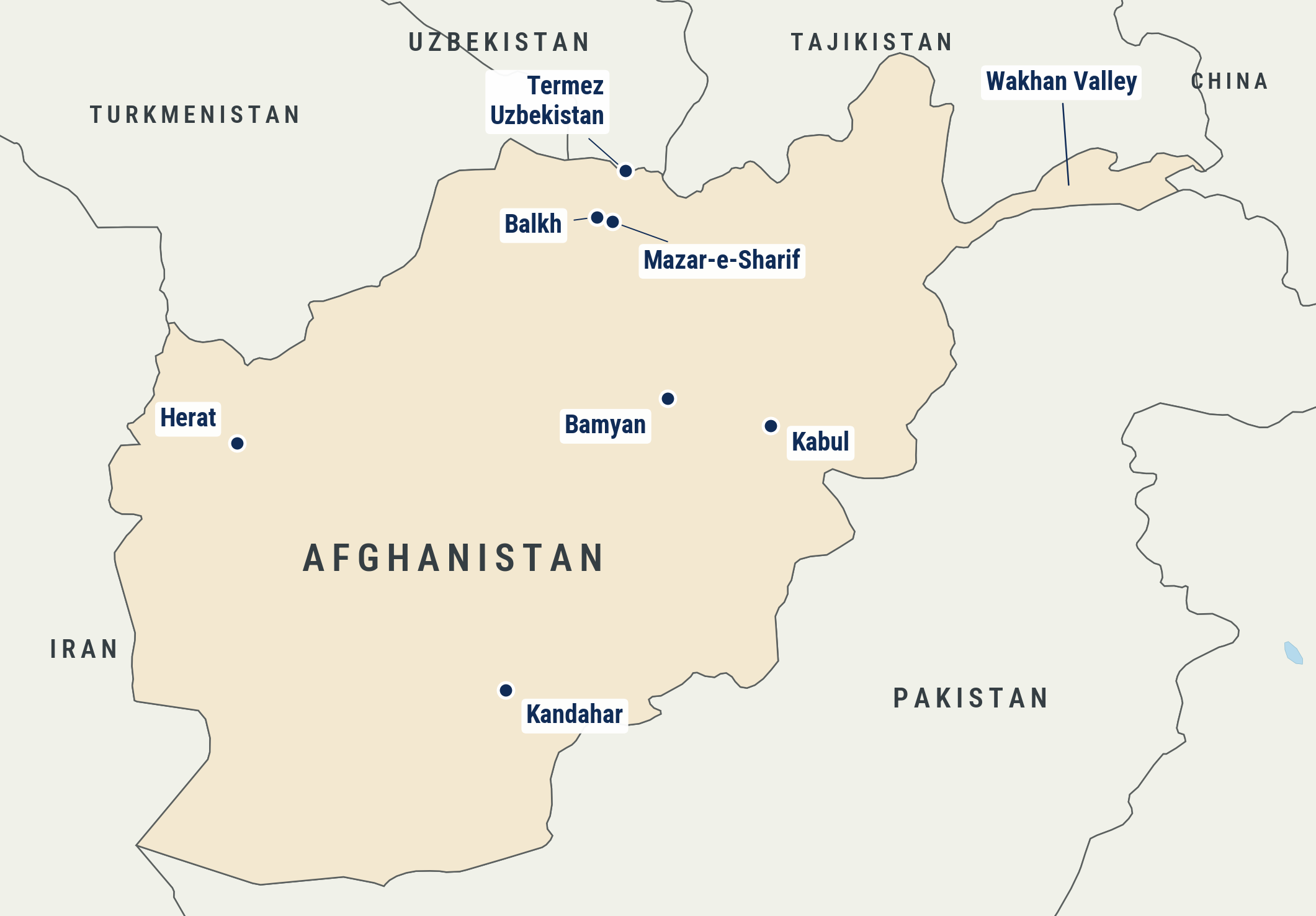
Kabul → Bamiyan → Mazar-e-Sharif & Balkh
THE AFGHANISTAN I TRAVELLED THROUGH
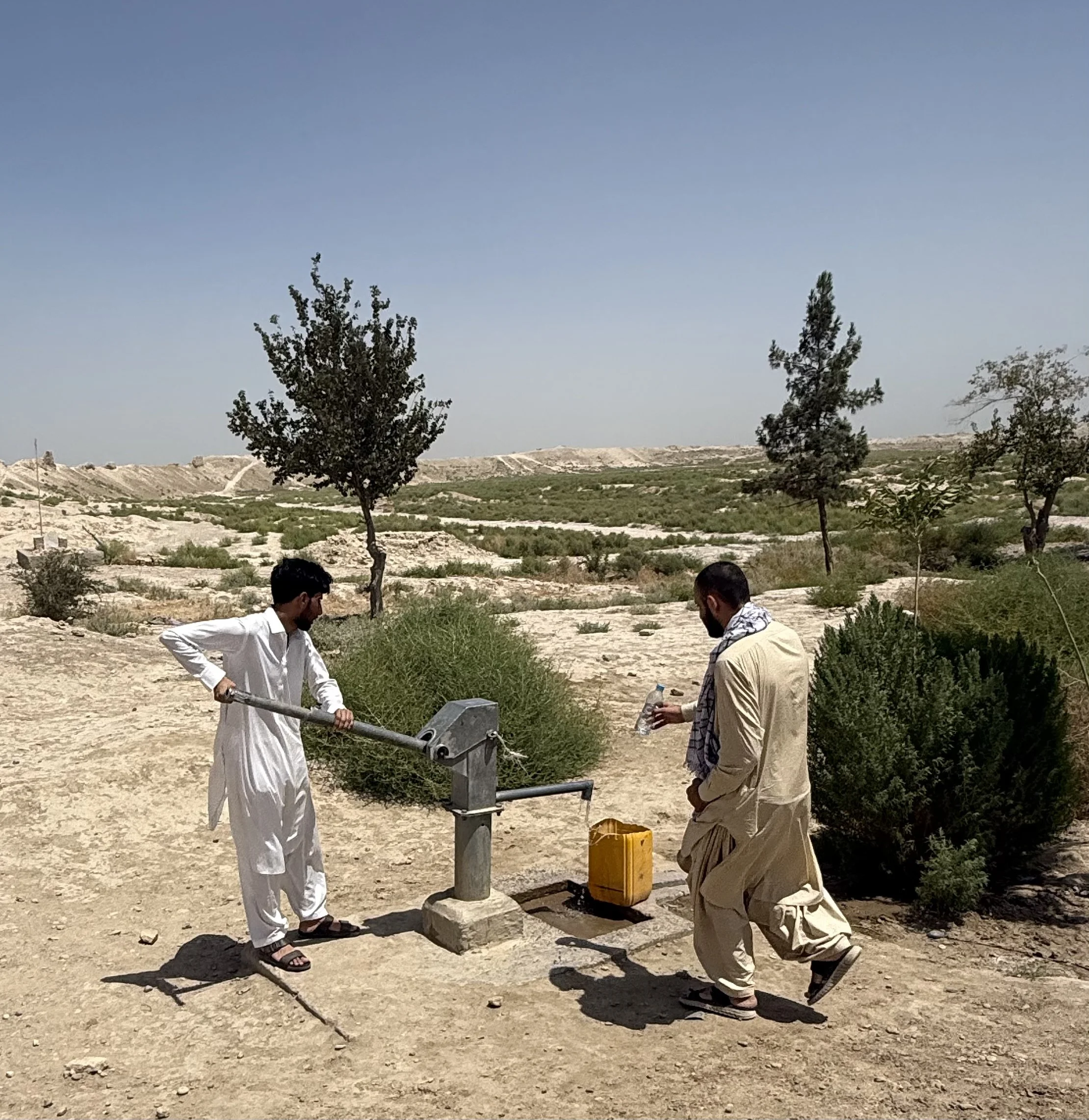
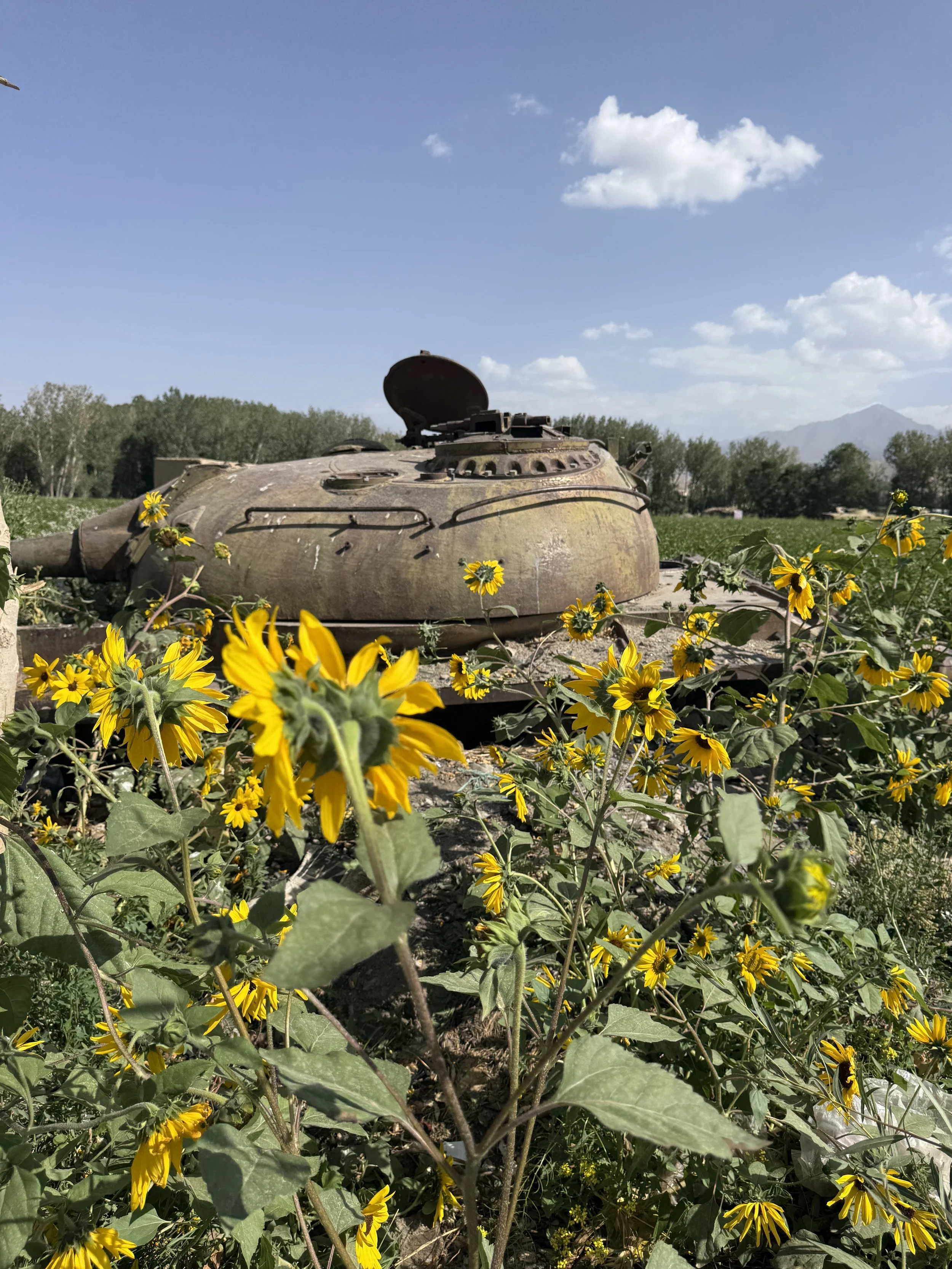
My journey began in Kabul, crossed the Hindu Kush to Bamiyan, and continued north towards Mazar-e-Sharif and Balkh before heading overland into Uzbekistan.
In a relatively short distance, I encountered remarkably different landscapes, communities and histories.
Kabul was intense and fascinating. Bamiyan was breathtaking. And the north offered another perspective on the ancient connections between Afghanistan and the rest of Central Asia.
It was a wonderful introduction to the country.
I wouldn't suggest that everyone should follow exactly the same route. Conditions change, and what is possible or sensible needs to be assessed at the time.
These are the places that shaped my experience.
KABUL
A city that takes a little time to understand.
Kabul makes quite a first impression.
The traffic is extraordinary, the streets are busy, and there's a great deal happening everywhere you look.
But once you settle into its rhythm, there's so much to discover.
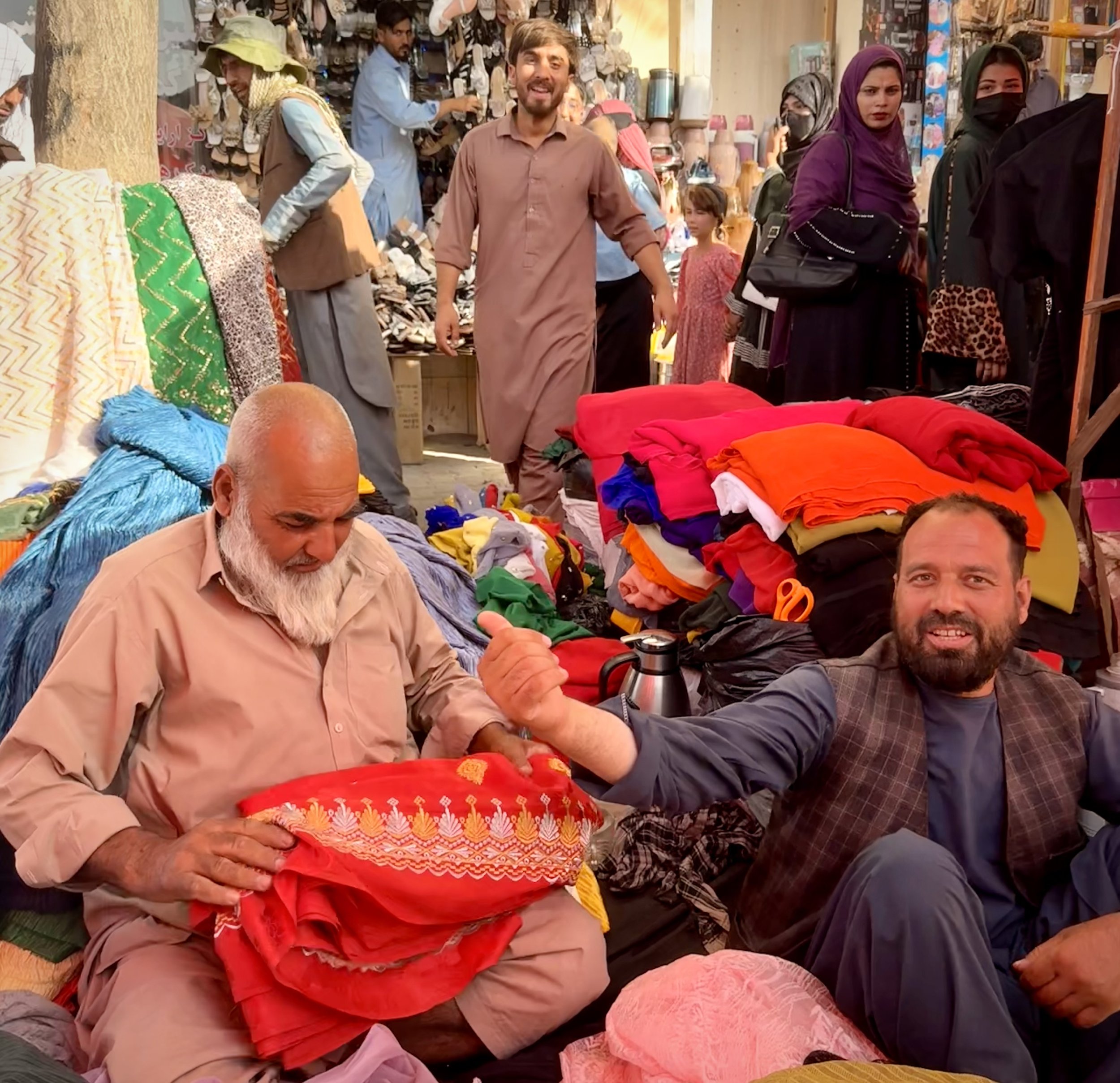
I made time for Babur's Gardens, the National Museum, the markets and some of the older neighbourhoods.
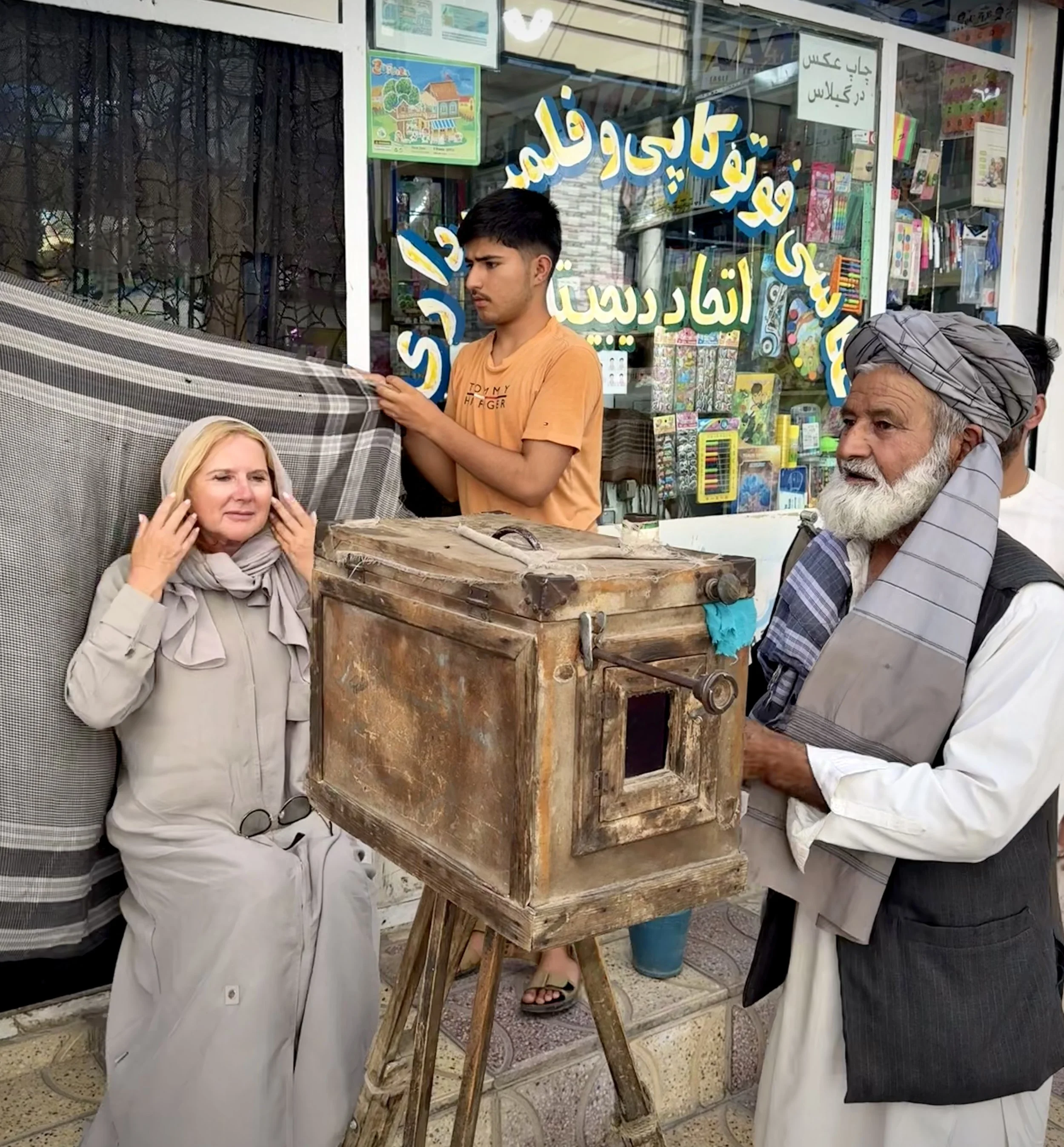
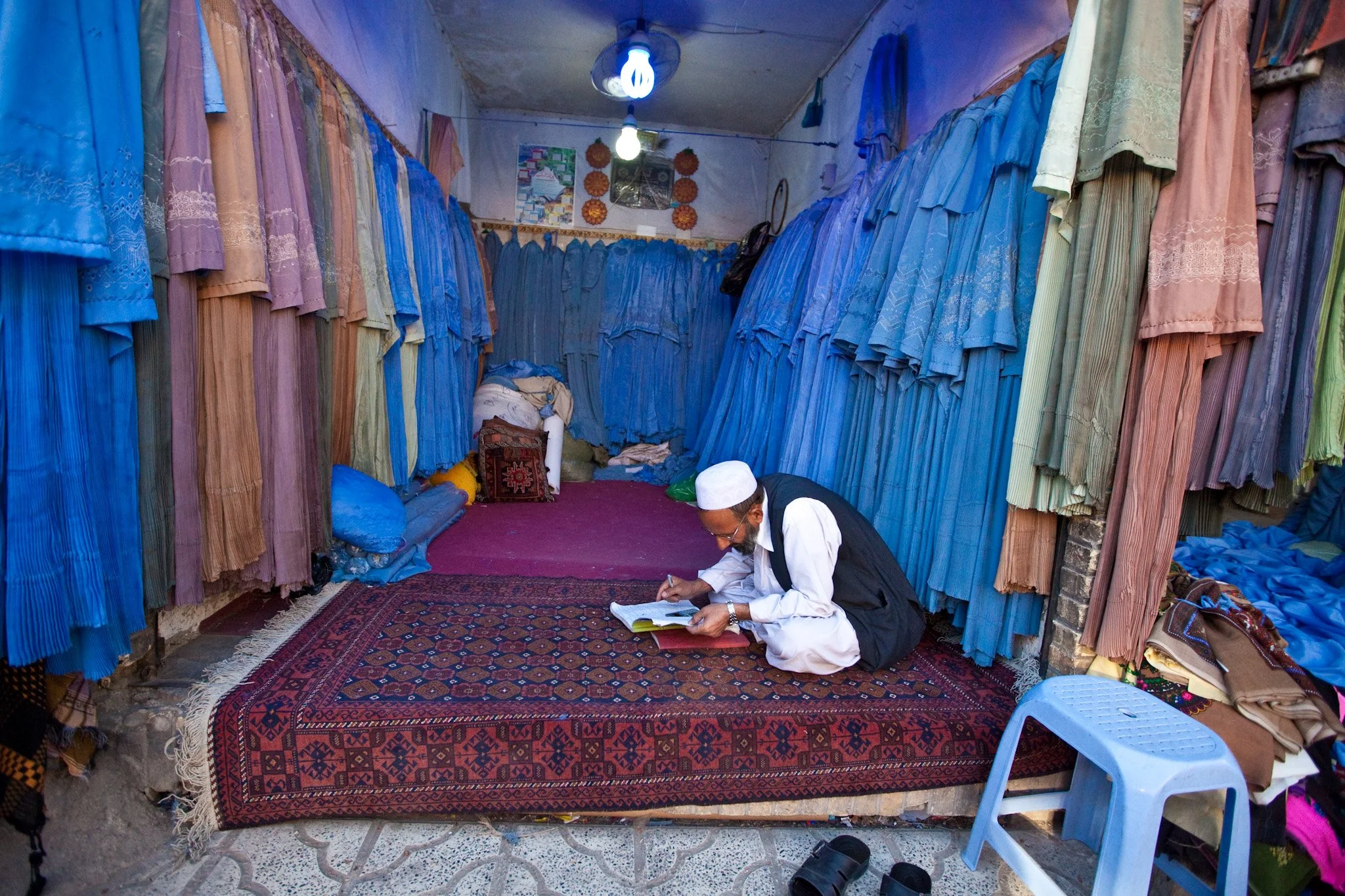
What I particularly enjoyed was watching daily life unfold. Shops overflowing with goods, streets full of activity, people stopping to talk and conversations that began simply because someone was curious about why I was there.
Kabul has an extraordinary history, but it was the everyday encounters that brought the place to life for me.
BAMIYAN
The part I’d make time for.
If I had to choose one place to return to, Bamiyan would be very high on my list.
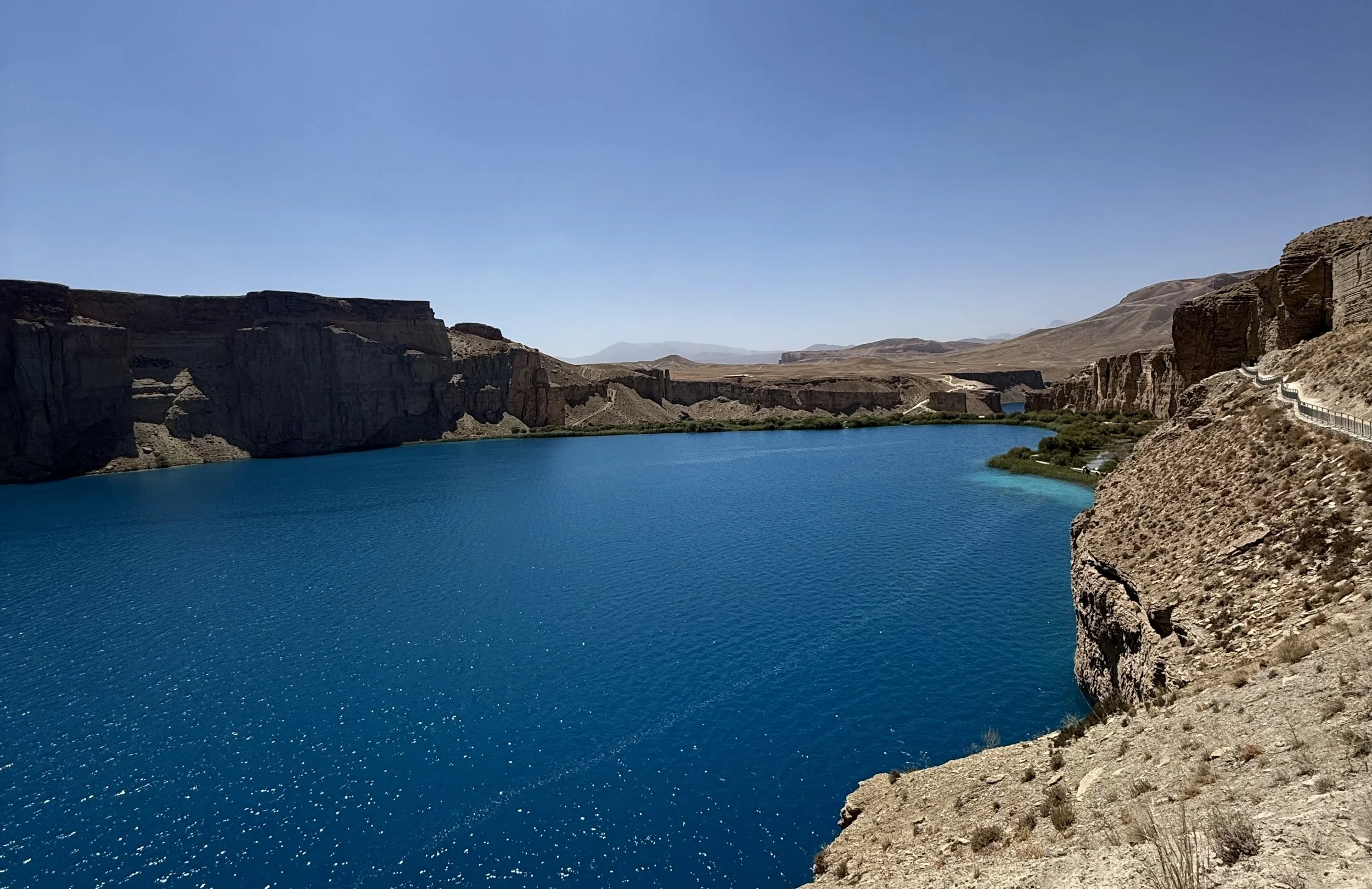
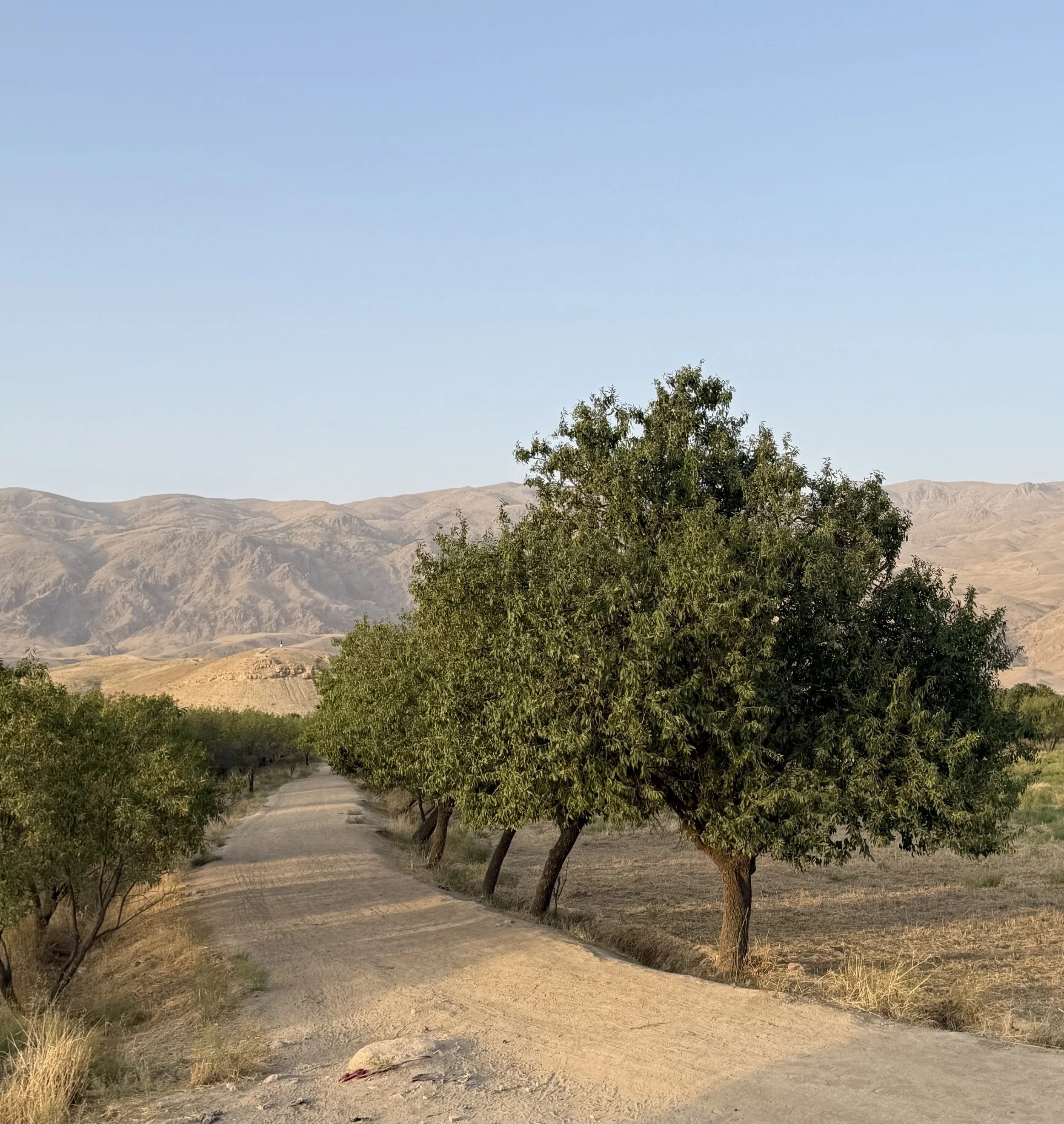
The landscape is magnificent. Wide valleys, enormous cliffs, mountains stretching into the distance and villages tucked into the countryside. After Kabul, the sense of space is remarkable.
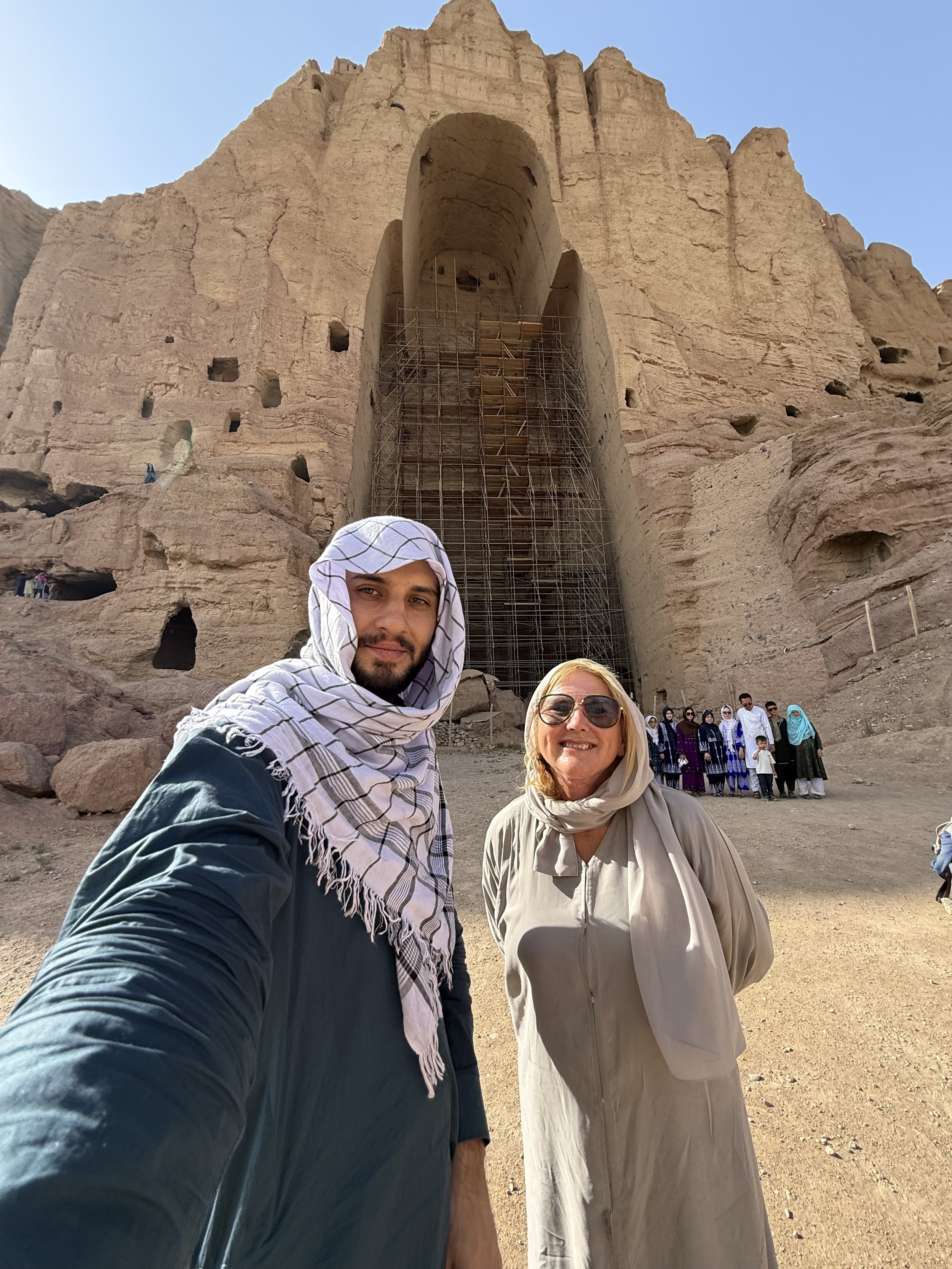
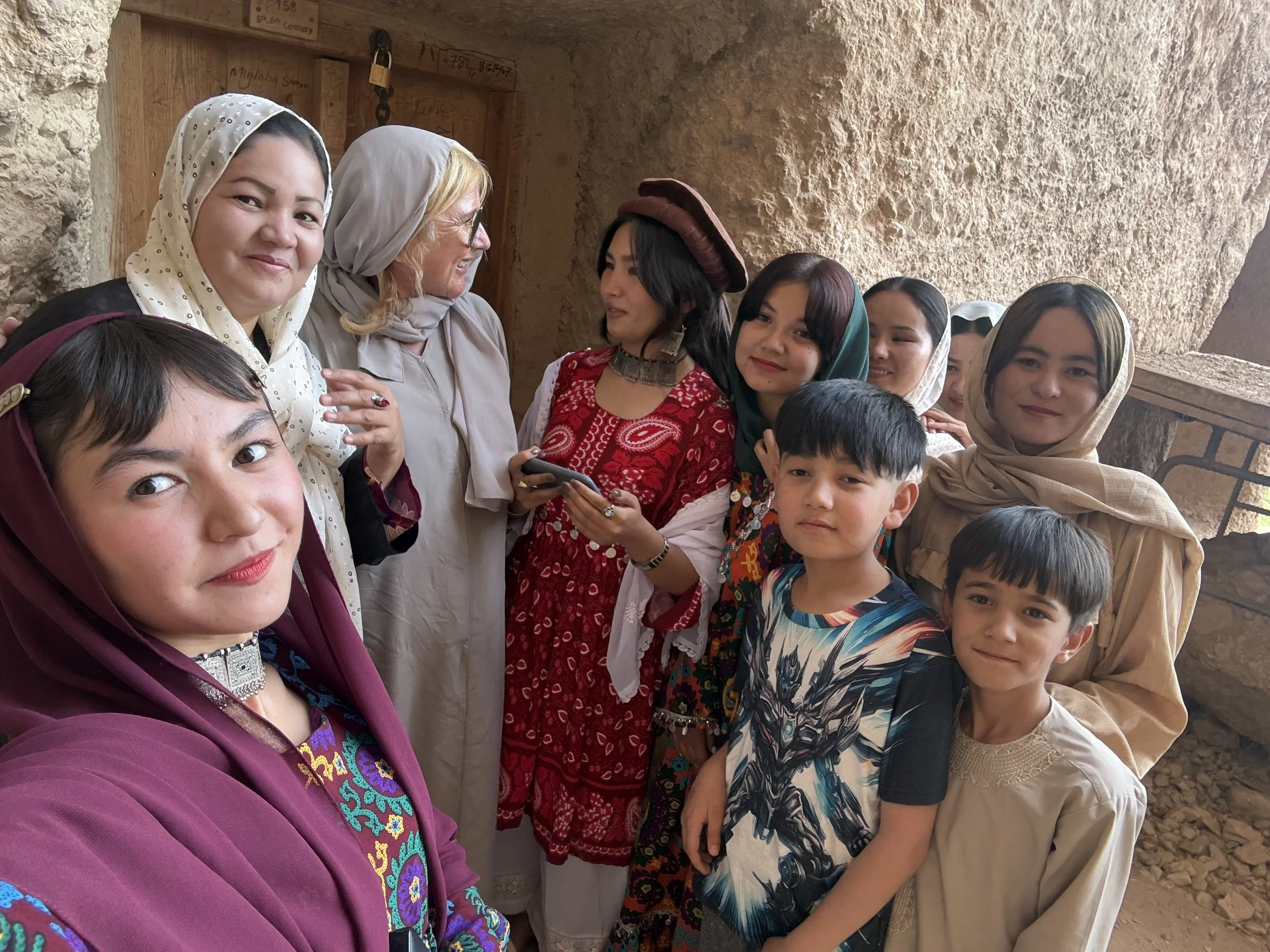
The famous Buddha niches are an obvious place to begin, but there's much more here. Ancient ruins, Buddhist history, the surrounding valleys and the stories of the Hazara people all deserve time.
New Zealand also has a particular connection with Bamiyan through its Provincial Reconstruction Team, which was based in the province for a decade.
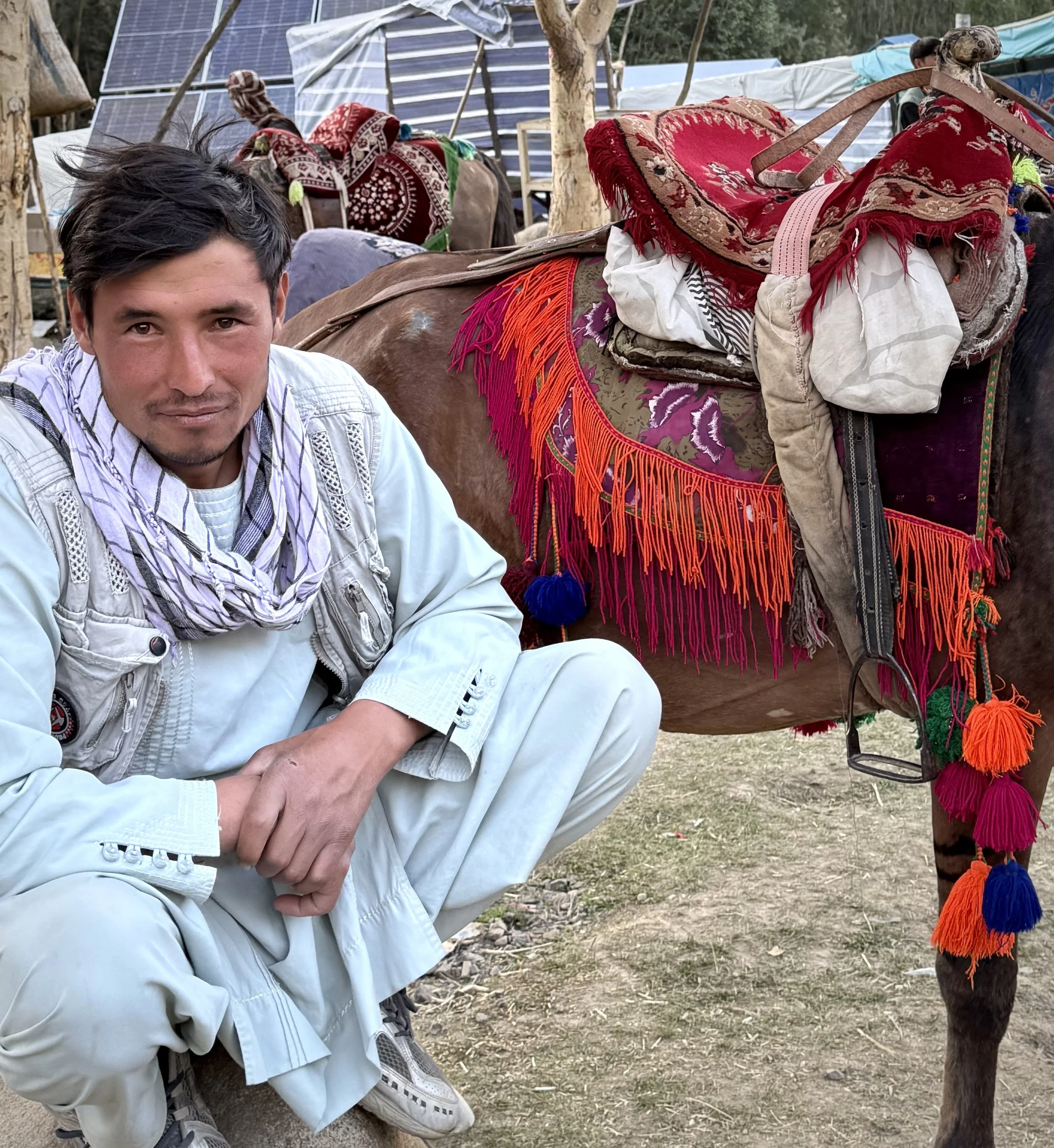
One of my favourite afternoons was spent driving out of town through a succession of small hamlets to a local picnic spot beside a river.
Families were out enjoying themselves. There were horse rides, simple hand-operated fairground rides for the children and little private pavilions along the riverbank where people sat drinking chai.
It was such an ordinary, happy scene, and one I hadn't expected to find.
Then there's Band-e-Amir, with its startling blue lakes surrounded by bare mountains. It's one of the most beautiful landscapes I've seen.
Access is subject to restrictions, particularly for women, and cannot be assumed to be available to future visitors.
Bamiyan was one of the great highlights of my journey, not just because of the scenery and history, but because of the everyday life I encountered along the way.
MAZAR-E-SHARIF & BALKH
Across the Hindu Kush and into the north.
The journey north across the Salang route was one of the highlights of my time in Afghanistan.
The road winds through the Hindu Kush, with enormous mountains rising around you, deep valleys and villages clinging to the hillsides. It's spectacular country, and a reminder of just how mountainous Afghanistan is.
One of my favourite memories is stopping for lunch at a little restaurant beside a rushing mountain river.
We sat in a small pavilion right by the water, enjoying a leisurely meal surrounded by mountains. Nothing elaborate, just good food in an extraordinary setting.
Then we continued north towards Mazar-e-Sharif.
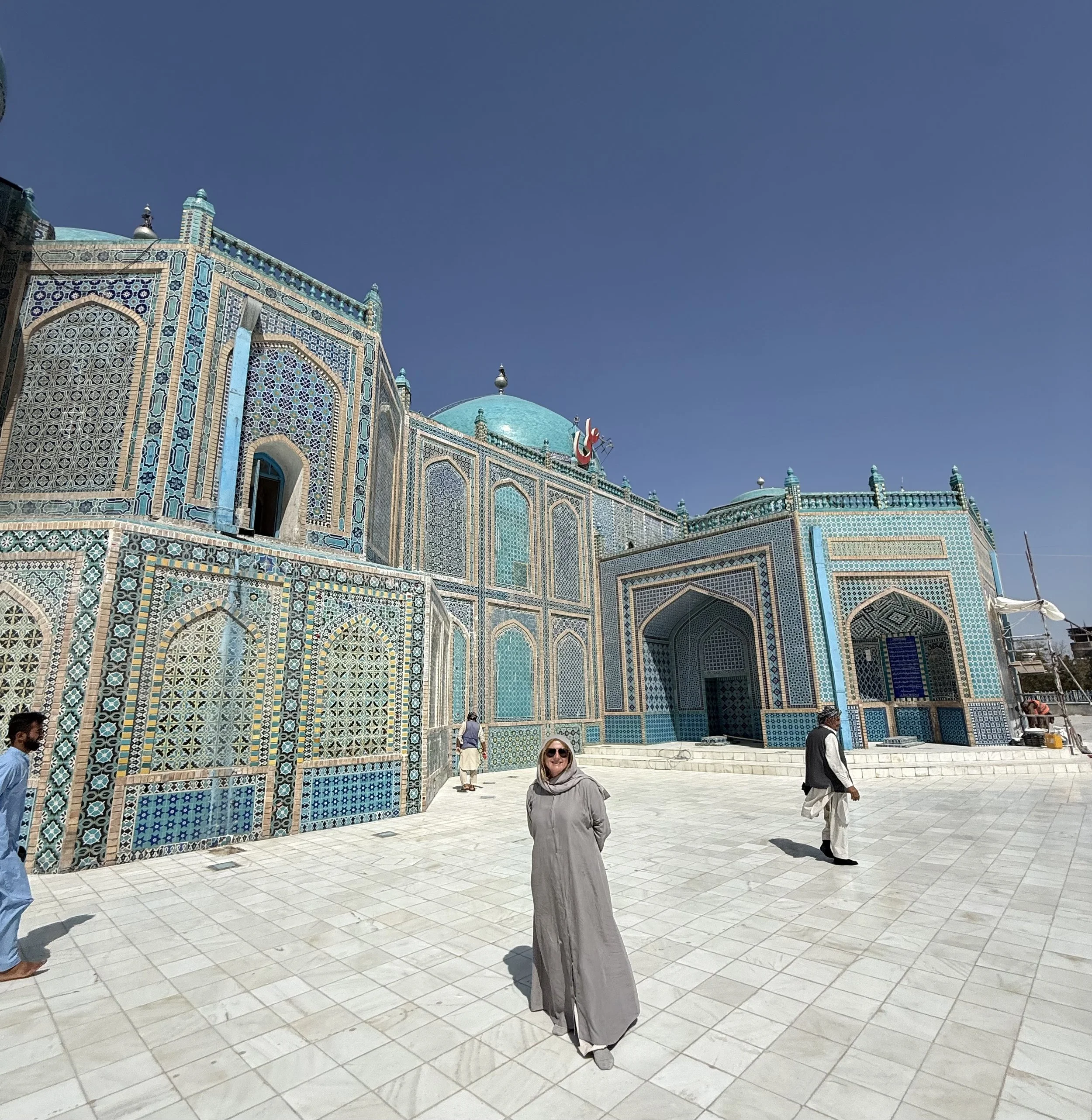
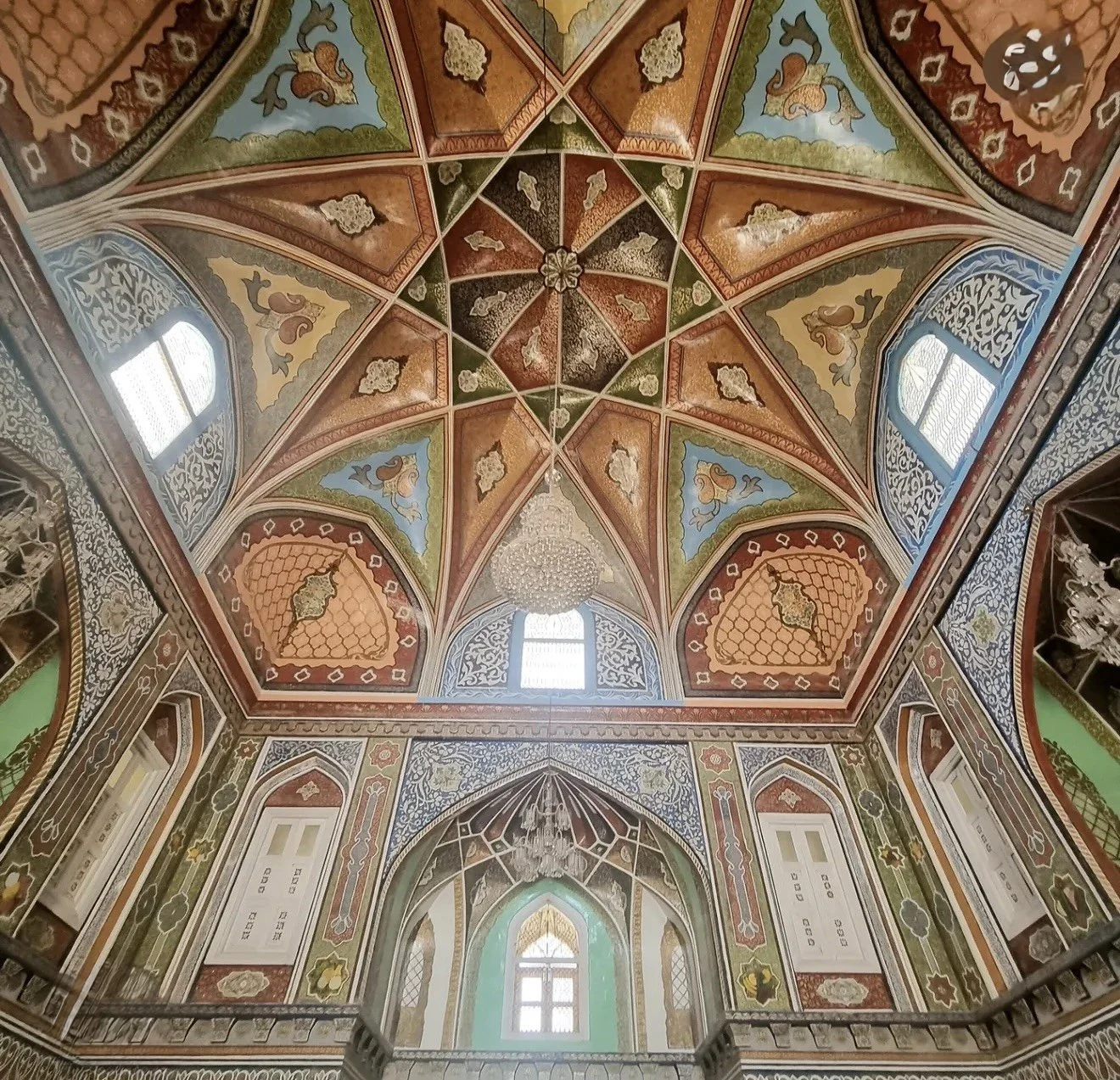
Mazar is known for its magnificent Blue Mosque, with intricate blue tilework and a vast courtyard.
Nearby Balkh is one of the oldest cities in the region, with a history stretching back thousands of years.
Its ancient walls, shrines and archaeological remains tell the story of a place that was once an important centre of religion, learning and trade.
For me, this was another fascinating connection between Afghanistan and the wider history of Central Asia, particularly the Silk Road cities I'd explored in Uzbekistan.
OTHER PARTS OF AFGHANISTAN
There's so much more to discover.
Afghanistan is a large and geographically varied country. Beyond the places I visited are regions with very different histories, cultures and landscapes.
Three that particularly interest me are Herat, Kandahar and the Wakhan Corridor.
I haven't travelled to these regions myself yet, so my interest in them comes from their history and geography rather than firsthand experience.
Herat
Architecture, Persian influence and western Afghanistan.
Herat has a remarkable architectural and cultural heritage.
Its Friday Mosque, ancient citadel and Timurid history reflect centuries of connection with Iran, Central Asia and the wider Persian world.
It's somewhere I'd love to understand better, particularly with someone who knows the city's history.
Kandahar
The historic heartland of southern Afghanistan.
Kandahar has played a central role in Afghanistan's history, particularly in Pashtun political and cultural life.
Its history and character are quite different from Bamiyan or the north.
It's a place I would approach with considerable care, and where current security conditions would be a major factor in any discussion about travel.
Wakhan Corridor
The remote northeast.
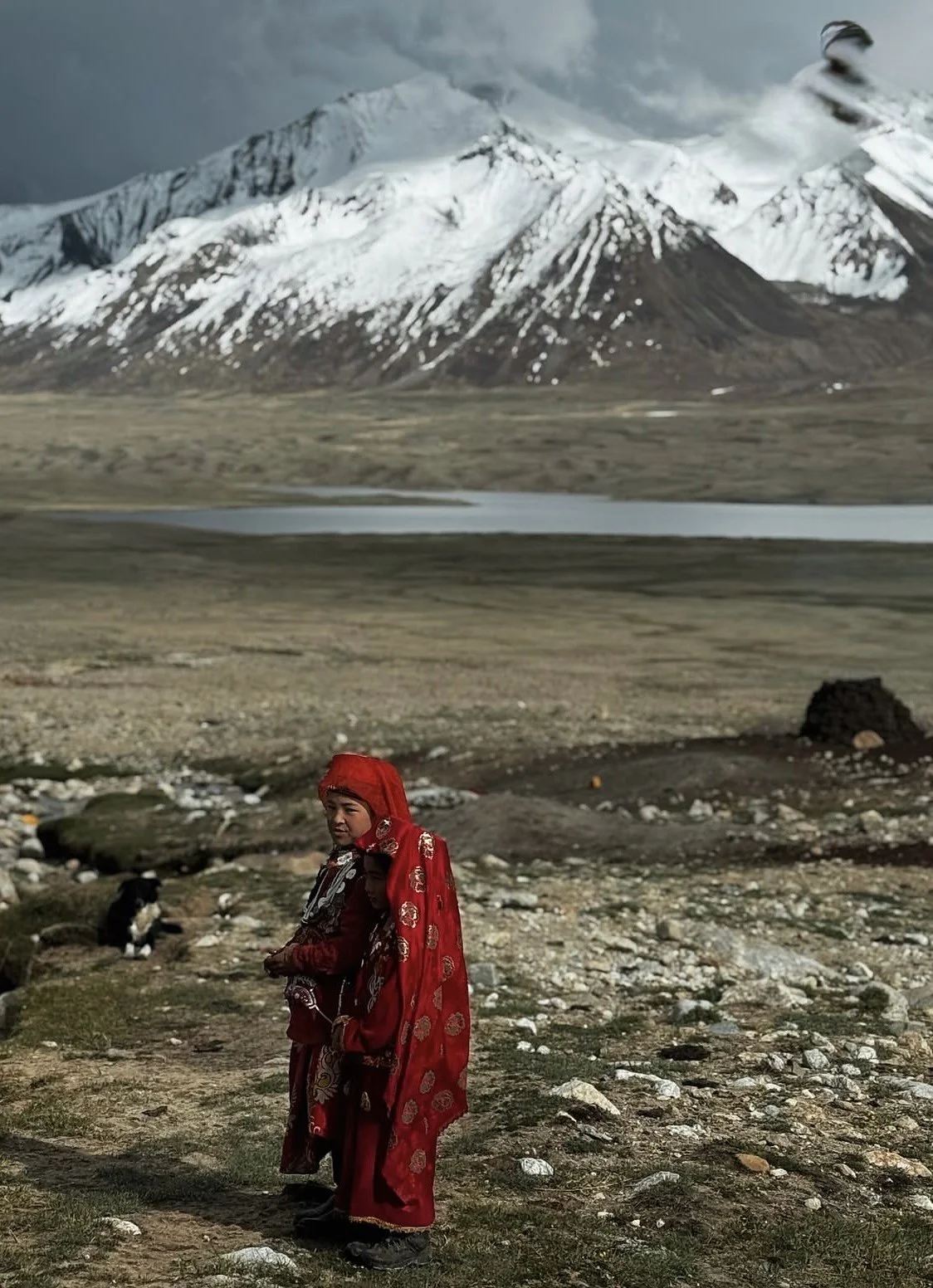
The Wakhan Corridor is one of the most extraordinary pieces of geography in Central Asia.
Stretching between Tajikistan, Pakistan and China, it is a world of high mountains, isolated settlements and vast landscapes.
Its geography alone makes it fascinating, although the remoteness, limited infrastructure and demanding conditions make travel particularly complex.
These regions show just how varied Afghanistan is. They are not suggested additions to an itinerary, and their inclusion here does not imply that visiting them is currently safe or practical.
WHAT INTERESTS YOU ABOUT AFGHANISTAN?
Start with what interests you.
Perhaps it's the country's Buddhist history, the great Silk Road connections or the architecture.
Perhaps you're interested in New Zealand's relationship with Bamiyan, or in understanding how people live in a country that so often appears in the news for difficult reasons.
Or perhaps, like me, you're simply curious about a place that few people have the opportunity to experience firsthand.
I'm happy to share what I saw, what surprised me, what I loved and what I learnt.
If you're considering travel, I can also explain how I worked with Destination Afghanistan Tours and what would need to be assessed before an itinerary could be considered.
Sometimes the most interesting journeys begin with a conversation. That conversation doesn't have to result in travel.
IF YOU’RE A WOMAN
My experience wasn't the same as an Afghan woman's.
I travelled through Afghanistan as a foreign woman, and I had some wonderful encounters along the way.
People were generous, welcoming and often curious about why I had come. Some of my favourite memories are of conversations and time spent with local people.
But travelling as a woman also comes with significant restrictions.
Under Taliban rule, Afghan women face severe restrictions on education, employment, movement and participation in public life. Foreign women must also comply with strict rules concerning clothing and behaviour.
During my journey, I was able to visit some places that local women were not permitted to enter.
That difference stayed with me.
My own experience was positive, but it doesn't lessen the seriousness of those restrictions. Nor does it mean another foreign woman would have the same experience today.
What was possible during my visit should never be taken as a guarantee of what is permitted now.
I think it's important to be able to speak honestly about both things: the warmth and hospitality I encountered, and the realities faced by women in Afghanistan.
CURRENT TRAVEL ADVICE
A journey that requires serious consideration.
New Zealand SafeTravel advises Do Not Travel to Afghanistan (Level 4 of 4) because of the serious and unpredictable security situation.
Risks include terrorism, kidnapping, violent crime, arbitrary detention and very limited access to medical and consular assistance.
Travel throughout the country is hazardous. Conditions can deteriorate without warning, and border crossings and road travel carry additional risks.
Travelling with experienced local people does not remove these dangers. Professional security arrangements may reduce some risks but cannot eliminate them.
Travel insurance may exclude Afghanistan, including medical treatment and evacuation. Anyone contemplating travel would need to obtain explicit confirmation of what cover, if any, was available.
My own experience was overwhelmingly positive, and I never felt personally threatened during my journey. But that is my experience, not an assurance about the safety of travelling there.
I would discuss these issues openly with anyone making an enquiry. Even where local arrangements appear possible, that does not mean a journey is advisable.
The decision whether to travel must be informed by current official advice and a realistic understanding of the risks.
CURIOUS ABOUT AFGHANISTAN?
Let's talk about what interests you.
Afghanistan was one of the most memorable countries I've visited.
I came home with extraordinary memories, a greater appreciation of the people I met and a much deeper understanding of a place I'd long been curious about.
If Afghanistan interests you, I'm happy to share that experience and discuss the practical realities.
Where appropriate, I can also explore a proposed journey with Destination Afghanistan Tours, subject to current conditions and the significant risks involved.
There is no expectation that a conversation needs to turn into a trip.
And if it's the wider history and culture of Central Asia that interests you, we can explore other possibilities across the region.